Plan a day in Thirsk · Short drive · Wildlife
Thirsk Birds of Prey Centre
Around 100 birds across 50 or more species in a walled garden, built around three free-flight displays a day
- From the cafe
- 15 min drive
- Time to allow
- 3 hours
- Cost
- Adult 10.95, over-65s 9.95, child 8.95, under-3s free, and a family ticket at 37 for two adults and two children or one adult and three children.
Opening, prices & access
- From Tea Time Cafe
- 15 min drive. Needs a car; about 6 miles north-west at Sion Hill Hall, Kirby Wiske, roughly a 15-minute drive
- Time to allow
- About 3 hours; 120 minutes if you're rushing
- Cost
- Adult 10.95, over-65s 9.95, child 8.95, under-3s free, and a family ticket at 37 for two adults and two children or one adult and three children. Groups of ten or more pay 9.95 each if booked ahead. The Meet the Minnies handling session adds 10 per person on top of admission, and experience days start at 70 for a half day
- Opening
- Open from 10.30am, April to October, and closed from November to March. Watch for the midweek closures, because it shuts every Wednesday in April and May and every Wednesday and Thursday in October, though open six days a week from June to September. Closing is 4pm in April, May and October with last admission at 3pm, and 5pm from June to September with last admission at 3.30pm. Flying displays run twice a day, at 11.30am and 1.30pm, with a third at 3.30pm from June to mid-September
- Dogs
- Assistance dogs only, or best left at home
- Access
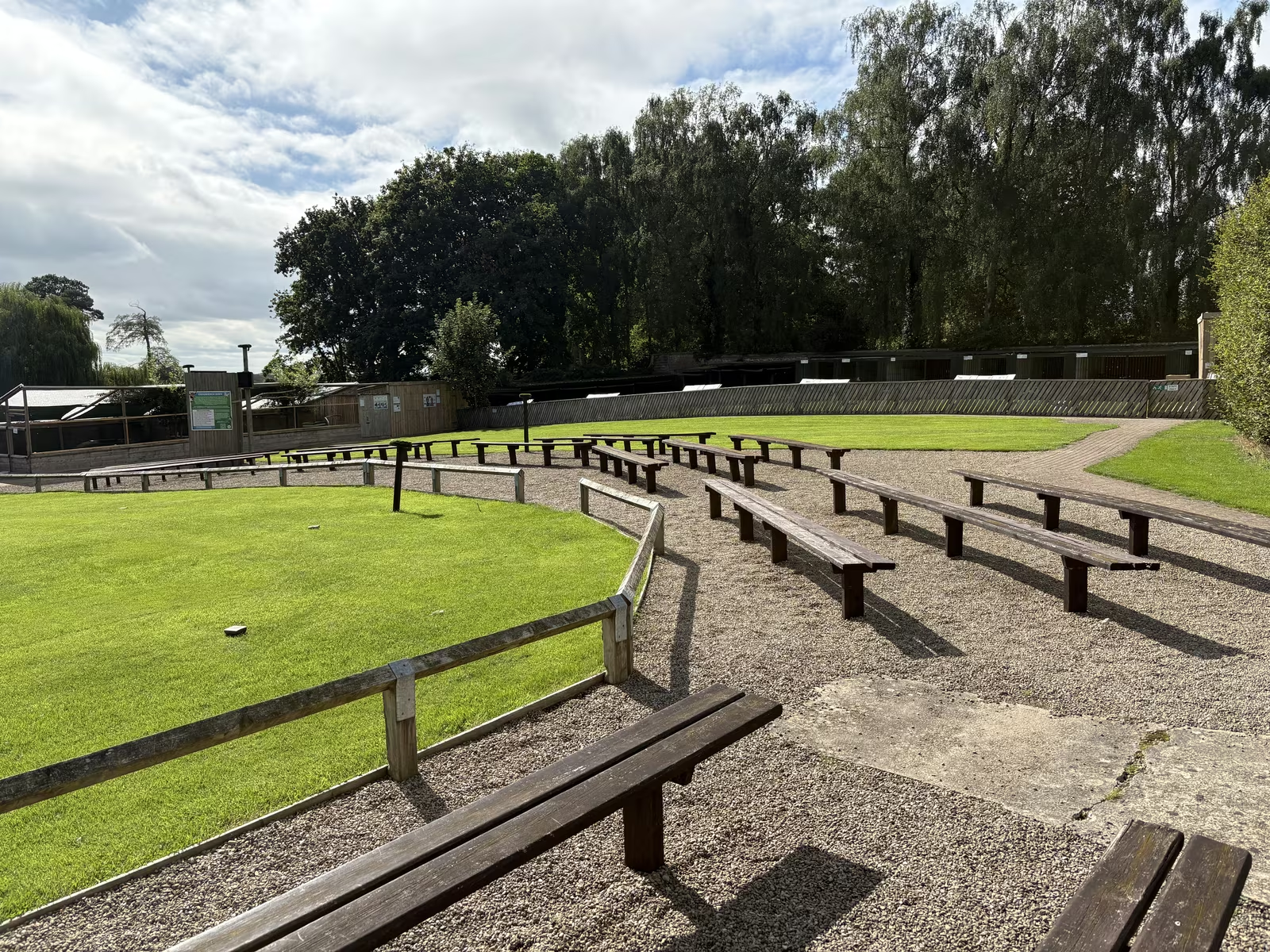
- Set in the walled garden at Sion Hill Hall, so expect level grass and garden paths rather than hard surfaces. Disabled parking and access, toilets with baby changing, a gift shop and a snack bar with no hot food. Use YO7 4ET in a satnav rather than the postal postcode.
Why go
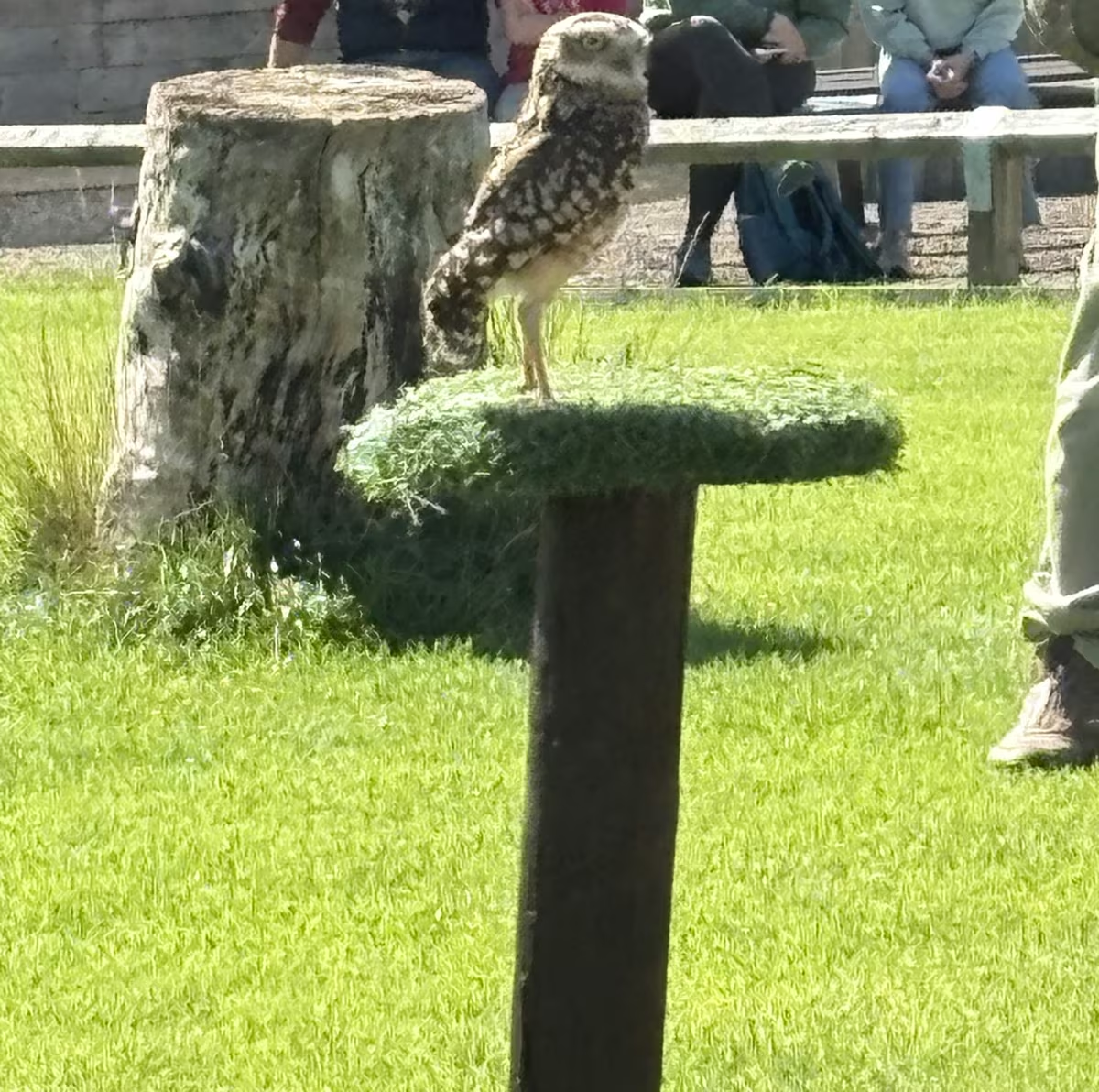
Falconry UK has been flying birds at Sion Hill Hall for more than thirty years, and the collection has grown to around a hundred birds across more than fifty species. Eagles, falcons, hawks, kites, vultures and owls all appear, which makes it one of the largest flying collections in the North of England. Regular viewers of The Yorkshire Vet will already know it.
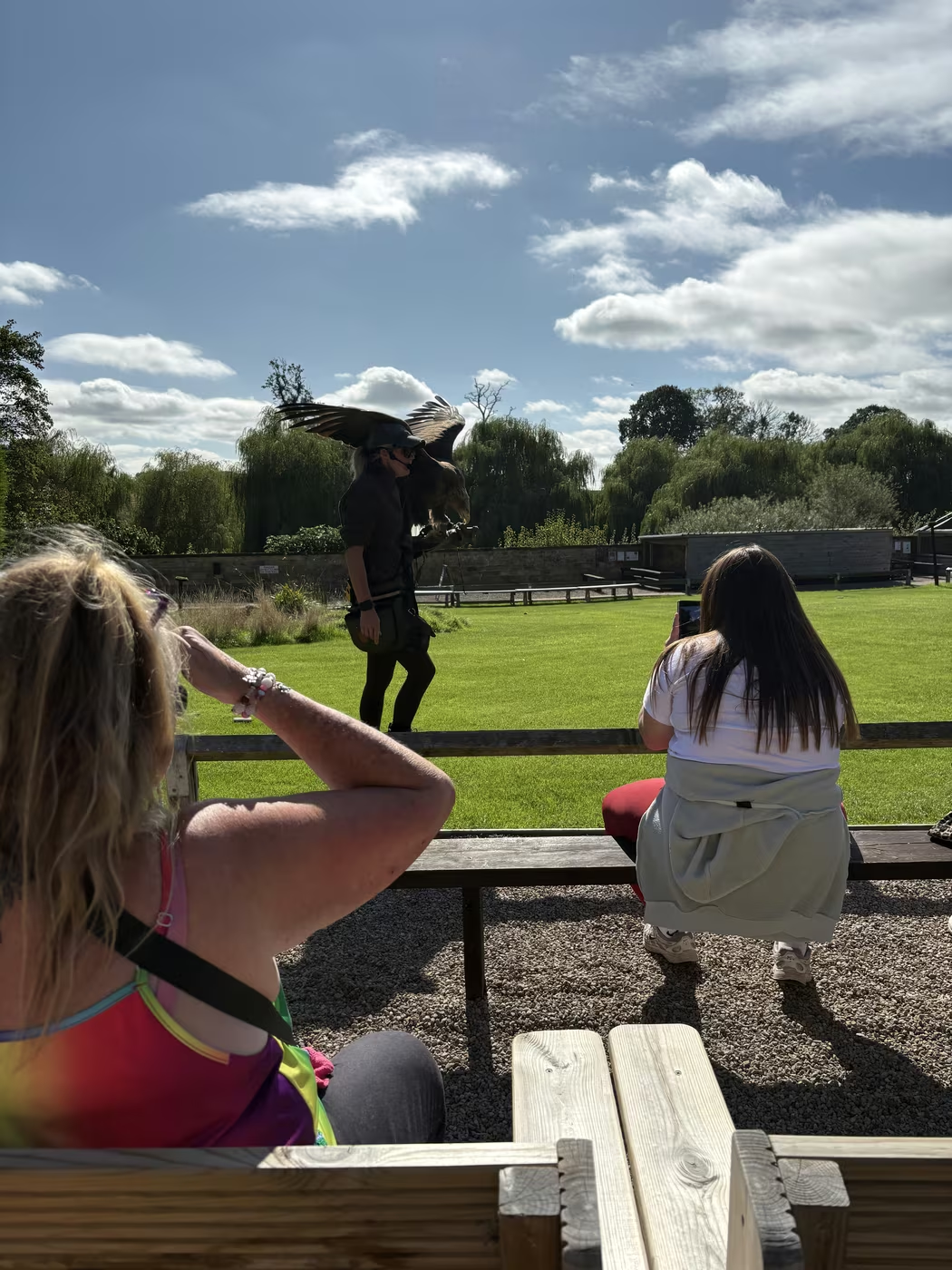
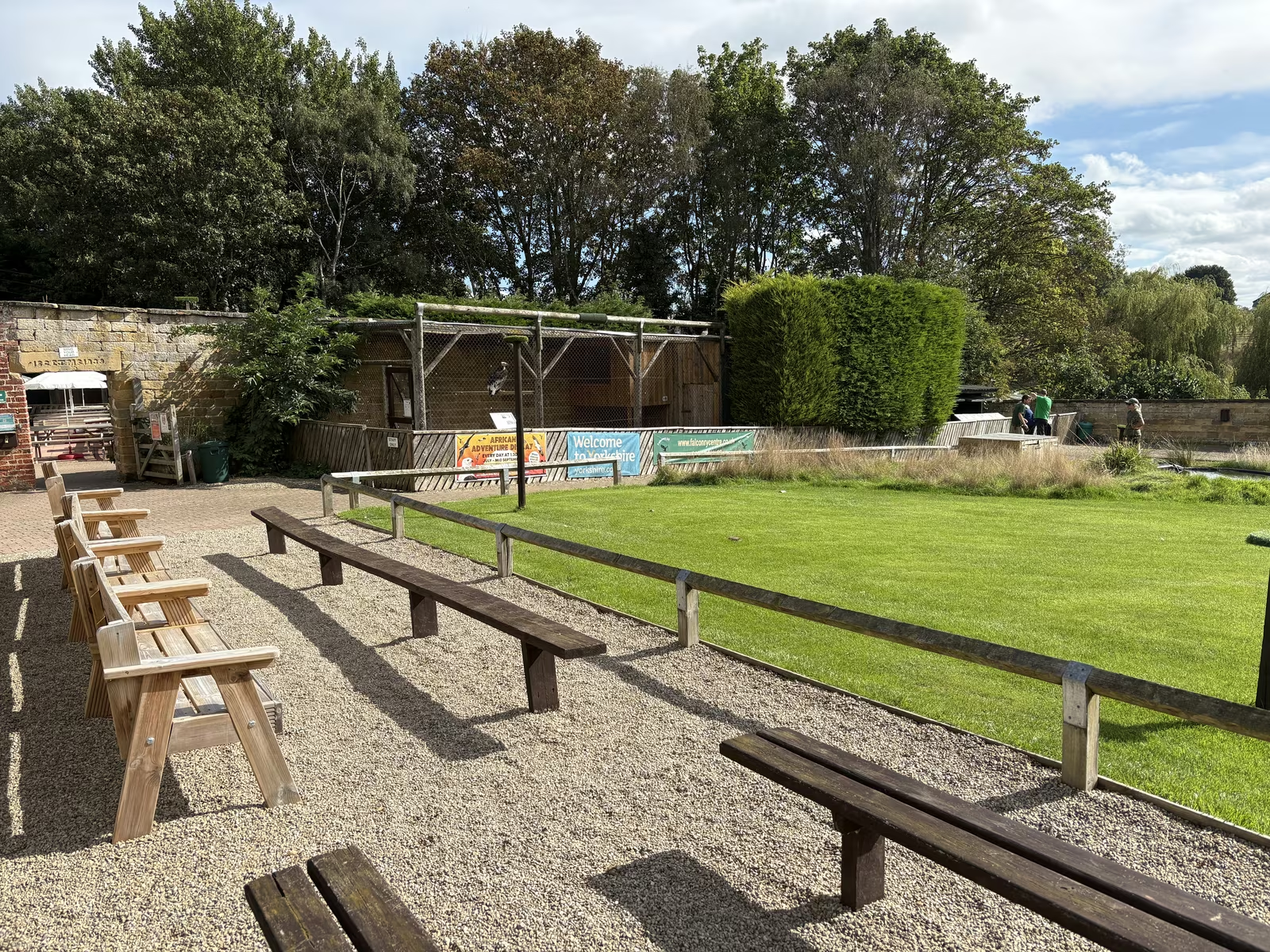
What lifts it above a walk round some aviaries is the flying. Two free-flight displays a day, three at the height of summer, in a period walled garden with the hall behind, and birds passing close enough overhead that children duck. The falconers narrate with the easy patter of people who have answered every question a child can invent, and they are worth listening to even if you came for the birds alone.
Getting there
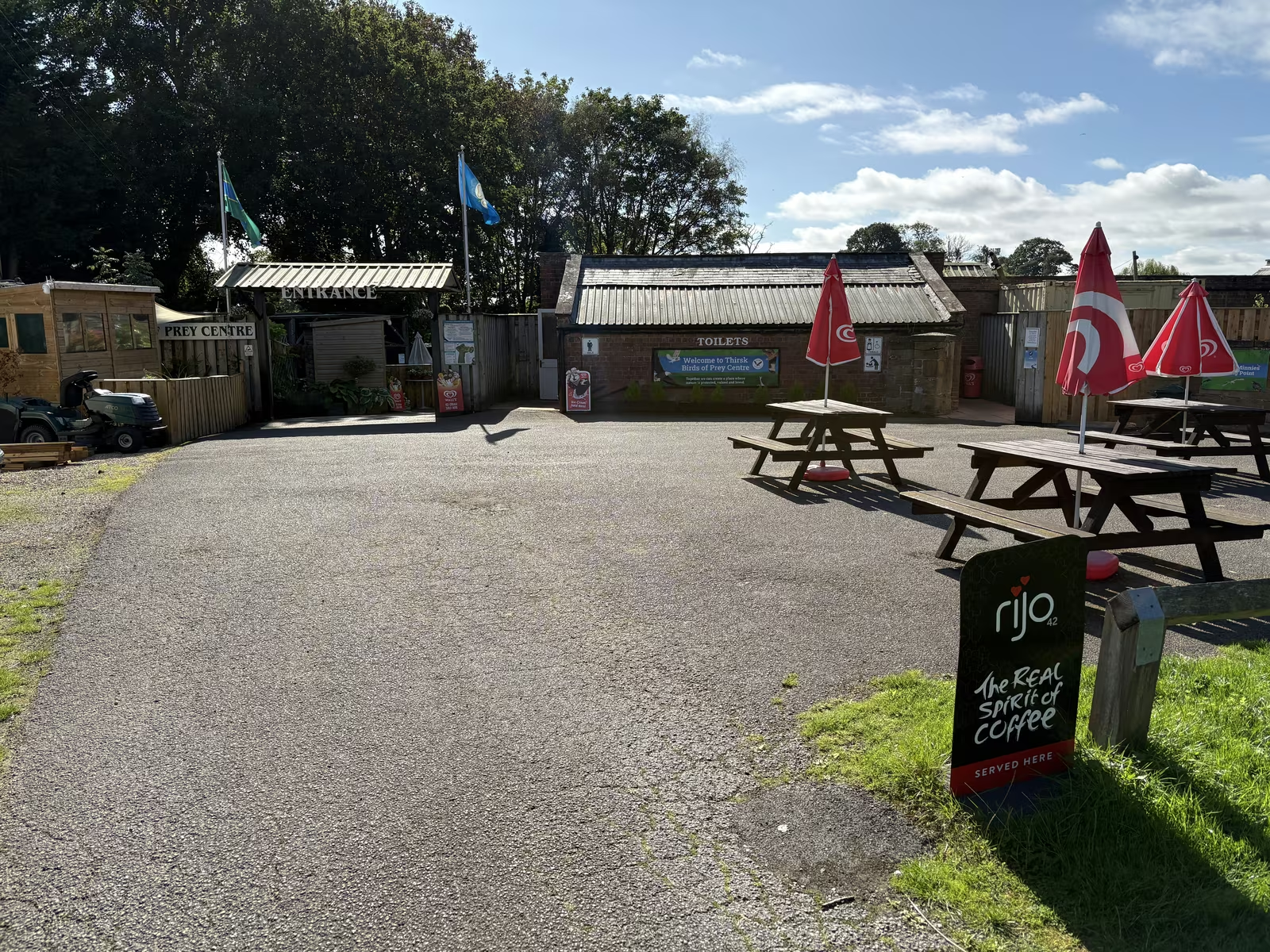
From Tea Time Cafe at 87 Market Place, head north-west out of Thirsk towards Kirby Wiske and follow the signs for Sion Hill Hall. It is about six miles and fifteen minutes, on quiet country roads for the last stretch, with parking on site by the entrance. Put YO7 4ET into a satnav rather than the postal postcode, which the centre asks for specifically.
This one needs a car. There is no useful bus from Thirsk and the lanes are not a walking route, so build it into a driving day rather than a car-free one. The centre sits in the hall's walled garden, and the entrance is signed once you are on the estate. Give yourself fifteen to twenty minutes in hand before a display, because seating fills up and the birds do not wait.
What to do
Time the whole visit around the displays. Arrive for the 11.30am flight, then walk the aviaries at your own pace over lunch, and stay for the 1.30pm. From June to mid-September there is a third at 3.30pm, which is the training display for young and new birds. Each one features different birds, so two in a day is not a repeat.
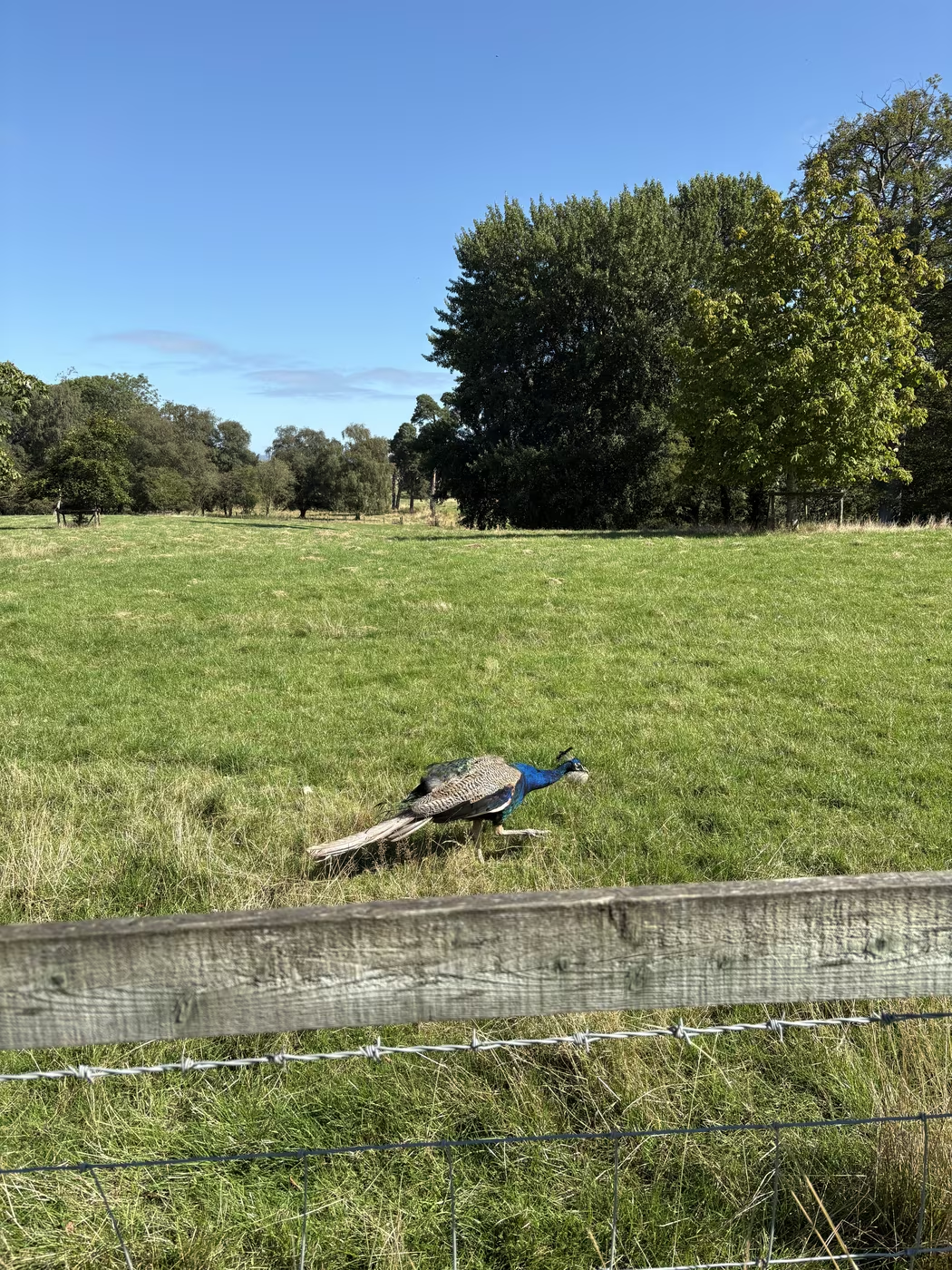
Handling usually follows the displays, and the Meet the Minnies session is the hands-on option for anyone who wants a bird on the glove. Children can work through the scavenger hunts between flights, and the parkland just outside the centre has peacocks wandering it, worth a look over the fence on the way back to the car. There is a snack bar on site with no hot food, picnics are welcome in the grounds, and from July to mid-September the 1.30pm African Adventure is the main event, with twenty to twenty-five African birds flying at once.
Best features
The scale of the collection, which is the thing most people underestimate before they arrive. The setting helps too, since a walled garden puts you closer to the flying line than an open field would and gives some shelter when the wind gets up. Sessions run at a sensible pace, the falconers know their material, and the format suits mixed-age groups: small children get the spectacle, adults get the detail, and nobody has to walk far between the two.
Tips
Build the day around 11.30am and 1.30pm, with a picnic in between, and you will be back in Thirsk for afternoon tea. Check the forecast first, because high wind cuts the displays short and very hot days do the same. Layers are wise, since standing still in a garden for forty minutes is colder than it sounds. Bring a camera with a fast shutter rather than a phone if the flying is the reason you came. The season ends in October and does not restart until April, so do not plan a winter visit, and check the day of the week: it closes every Wednesday in April and May, and every Wednesday and Thursday in October.
Questions people ask
Thirsk Birds of Prey Centre, answered
What time are the flying displays?
Two a day at 11.30am and 1.30pm, with a third at 3.30pm from June to mid-September. Each runs 35 to 40 minutes. In high summer the 1.30pm African Adventure is the big one, with twenty to twenty-five African birds in the air. Arrive fifteen to twenty minutes early for a good spot.
How much does it cost to get in?
Adult 10.95, over-65s 9.95, child 8.95, under-3s free, and 37 for a family. The Meet the Minnies handling session adds 10 per person, and experience days run from 70 for a half day up to 140. Prices checked in August 2026.
How many birds are there?
Around 100, across more than 50 species, from small owls up to eagles and vultures. It is one of the largest flying collections in the North.
Is it open in winter?
No. The season runs April to October and the centre closes from November to March. Watch the Wednesdays too, because it shuts every Wednesday in April and May and every Wednesday and Thursday in October, and only runs six days a week from June to September.
What happens if the weather is bad?
Flying can be reduced or cancelled in strong wind, and displays are also affected when the temperature climbs above 30 degrees. Ring or check online before driving over on a wild day.
Can I bring a dog?
No dogs at all, and the centre's own wording extends that to service dogs. That is stricter than most attractions, so it is worth knowing before you set off rather than at the gate.
Goes well with
Make a day of it
World of James Herriot
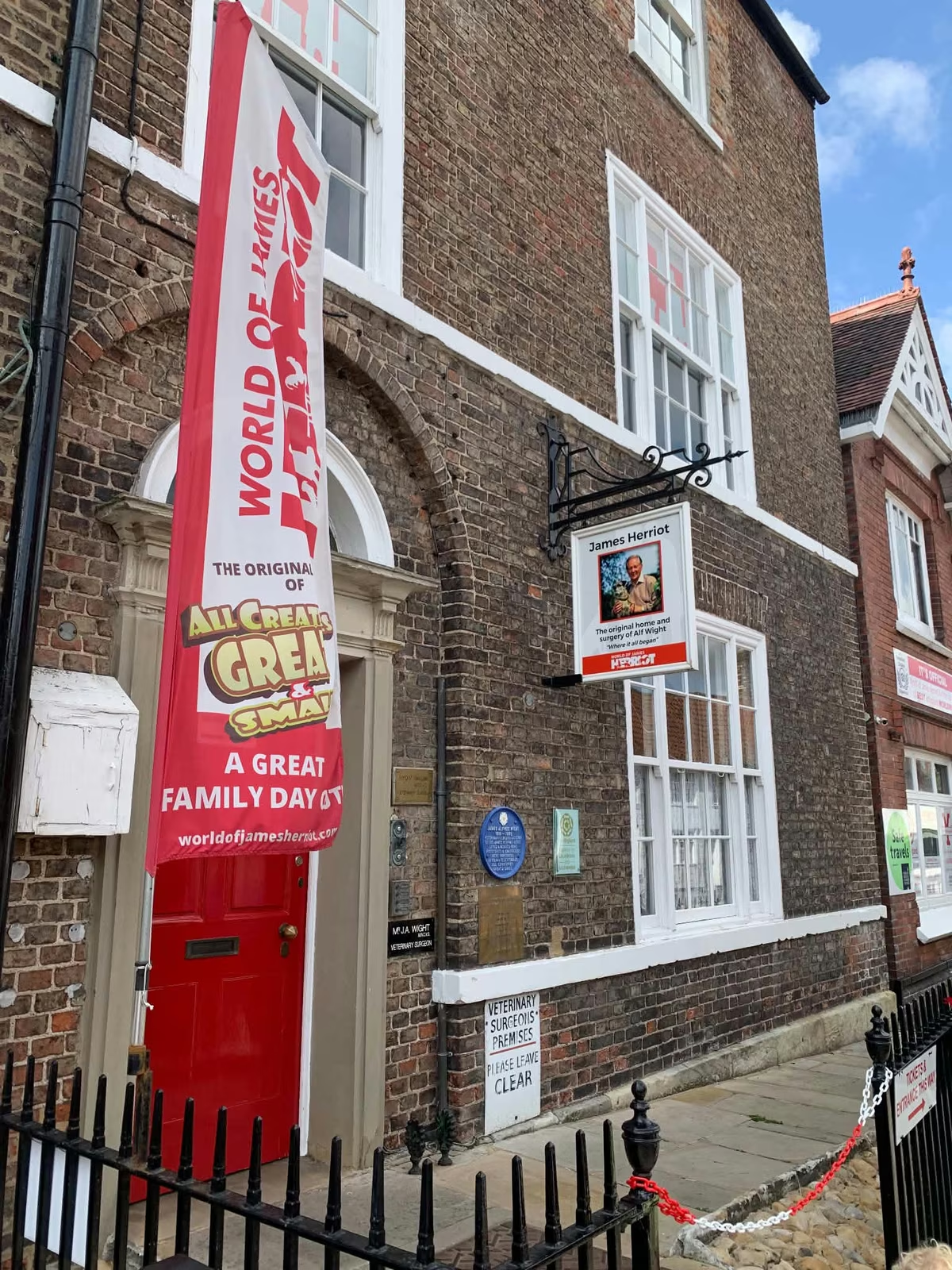
The house at 23 Kirkgate where Alf Wight lived and practised, kept as the Skeldale House of the books
4 min walk from the cafe
Monk Park Farm
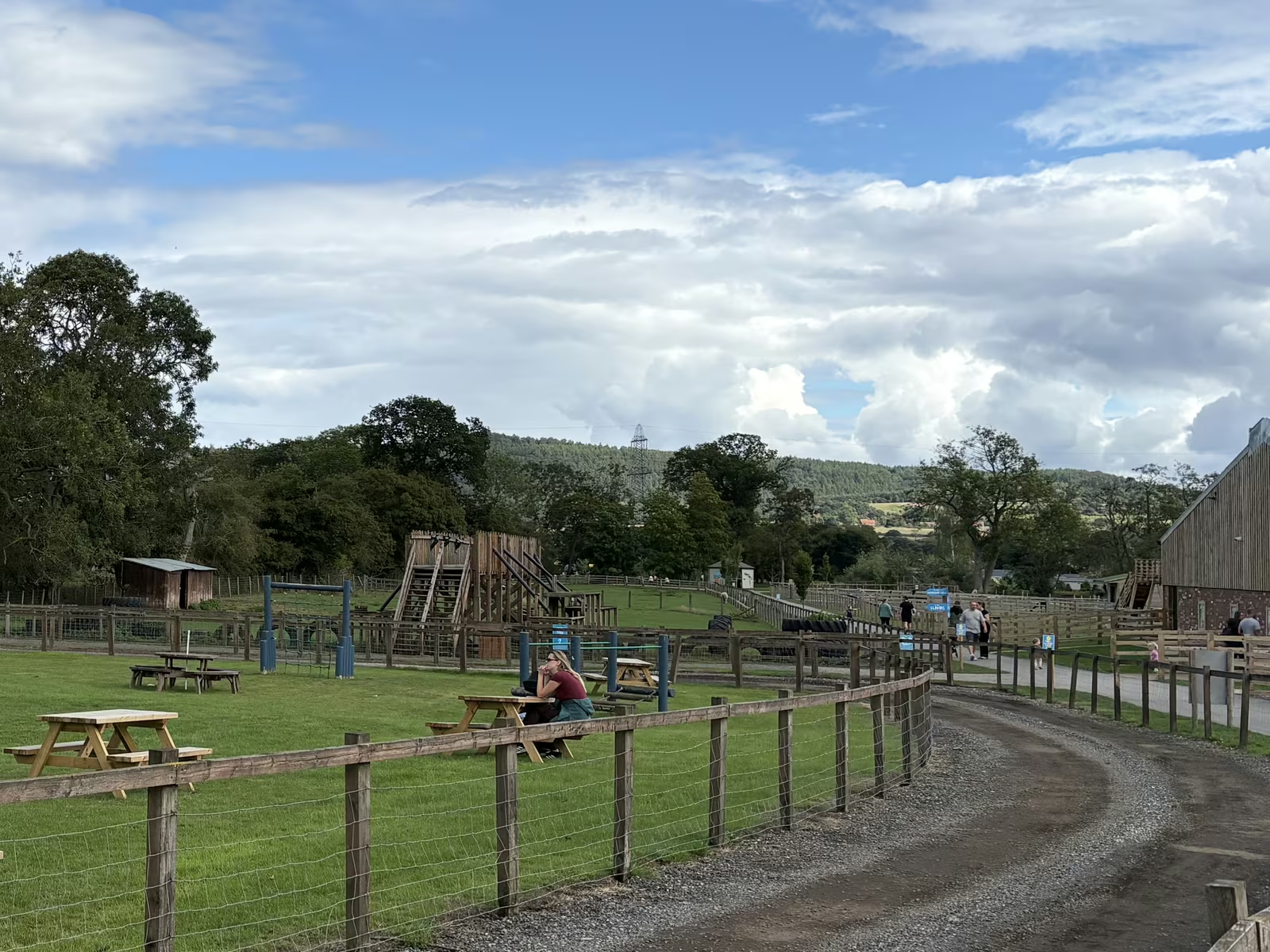
The nearest farm attraction to Thirsk, built around animal feeding and play, about ten minutes away by car
10 min drive from the cafe
Start or finish at Tea Time Cafe, 87 Market Place. Hours and directions. Spotted something out of date? Tell us and we'll fix it.